



Workspaces have a significant impact on productivity, collaboration, and employee satisfaction. As organizations grow and evolve, the environment they operate in often needs to change as well. Recognizing when it is time to upgrade your office space can help maintain efficiency and morale while supporting long-term goals.
Rapid Team Growth
One of the clearest indicators that an upgrade is needed is when your team begins to outgrow its current environment. Limited seating, crowded meeting areas, or the absence of private work zones can hinder performance and comfort.
When employees struggle to find quiet areas or share desks frequently, it may be time to consider a larger or more flexible workspace. Expansion can also provide an opportunity to improve layout and design for future scalability.
Outdated Layout or Design
A workspace that feels dated can affect how employees and visitors perceive your organization. Older layouts often lack the adaptability required for modern work practices such as hybrid schedules and collaborative zones.
Upgrading to a contemporary design can enhance functionality and aesthetics. Consider layouts that encourage teamwork while still providing spaces for concentration. Fresh design elements, improved lighting, and ergonomic furniture can also make a difference in daily satisfaction.
Declining Employee Satisfaction
If staff members consistently mention discomfort, lack of amenities, or difficulty focusing, the workspace itself may be a contributing factor. An environment that fails to support well-being can lead to lower engagement and productivity.
Listening to employee feedback is essential. Small frustrations, like poor lighting or limited break areas, can accumulate over time. Addressing these issues through an upgraded space can show commitment to employee welfare and retention.
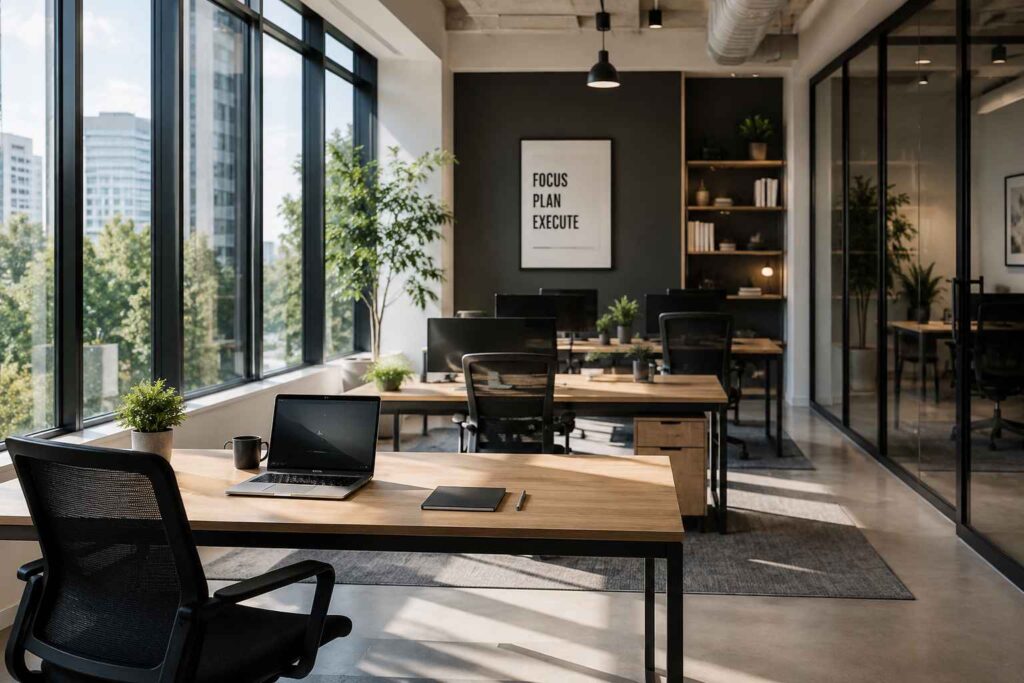
Inefficient Use of Space
Sometimes the problem is not size but how the space is used. Offices with poorly organized layouts, wasted corners, or underutilized areas can limit efficiency. Evaluating how different teams use their surroundings can reveal opportunities for improvement.
Optimizing space may involve reconfiguring furniture, removing unnecessary partitions, or introducing flexible zones. These changes can make a current environment feel new and more functional without requiring a complete relocation.
Technology Limitations
Modern work relies heavily on connectivity and reliable infrastructure. If an office lacks updated wiring, sufficient outlets, or strong network coverage, productivity can suffer. Employees depend on seamless access to digital tools and communication systems.
Upgrading to a workspace equipped with advanced technological support can streamline daily operations. Improved cabling, wireless coverage, and integrated meeting tools can create a more connected and efficient environment.
Changing Workstyles
As organizations adapt to flexible scheduling and remote collaboration, traditional office setups may no longer fit. A space designed for full-time in-office work might not accommodate hybrid models effectively.
Reconfiguring or relocating allows for integration of shared desks, quiet pods, and collaboration hubs. An updated space can reflect new work patterns, making transitions smoother for both in-office and remote employees.
Client and Partner Impressions
The appearance of your workspace often influences how clients and partners perceive your professionalism. A well-maintained, modern environment conveys stability and attention to detail, while a dated or cramped office can send the opposite message.
Upgrading to a more suitable location can enhance the overall experience for visitors. This is especially relevant for organizations located in central areas such as office space downtown Calgary, where presentation and accessibility carry added importance.
Maintenance and Operating Costs
Older buildings can require frequent repairs and higher utility expenses. If maintenance issues become routine, they may signal that the space no longer serves the organization efficiently. Investing in a newer or better-equipped facility may reduce long-term costs.
Energy-efficient systems, better insulation, and modern infrastructure can lower bills and environmental impact. Evaluating total ownership costs often reveals that an upgrade can be both practical and economical.
Health and Safety Considerations
Employee health should always be a top priority. Poor ventilation, inadequate lighting, or outdated safety features can lead to discomfort and risk. Ensuring that workspaces comply with modern health and safety standards is essential for a sustainable operation.
Upgrading provides an opportunity to address these concerns. Incorporating natural light, improved air systems, and ergonomic setups can make a noticeable difference in employee well-being and productivity.
Strategic Positioning for Growth
Sometimes an upgrade is not just about space but about aligning with the organization’s future direction. Relocating to a business district or central area can provide access to new opportunities, talent, and networking potential.
When evaluating options, consider accessibility, surrounding amenities, and potential for expansion. The right environment can support both day-to-day operations and long-term strategy.
Assessing the Right Time to Move
Determining the ideal time to upgrade depends on evaluating current challenges and future goals. Regularly reviewing space utilization, employee feedback, and cost efficiency helps identify patterns indicating that change is due.
Planning ahead allows for a smoother transition and reduces disruption. Whether through reconfiguration or relocation, proactive decisions keep operations aligned with organizational growth.
Planning a Smooth Transition
Once the decision to upgrade is made, preparation is vital. A structured plan ensures minimal downtime and clear communication with staff. Consider assigning specific roles for coordination, packing, and setup to streamline the process.
- Evaluate current assets and determine what to keep or replace.
- Develop a layout that reflects workflow and departmental needs.
- Schedule transitions during low-impact periods.
- Inform clients and partners well in advance of any address changes.
Balancing Budget and Benefits
Upgrading an office requires careful budgeting. While the initial investment may seem substantial, the benefits often justify the cost. Improved productivity, morale, and efficiency can offset expenses over time.
Comparing multiple options and calculating long-term savings from reduced maintenance and energy use can help make an informed decision. A well-planned upgrade ensures financial responsibility while enhancing workplace quality.
Adapting to Future Needs
A flexible workspace should be able to adapt as business needs evolve. Designing with adaptability in mind minimizes future disruptions and supports continued growth. Modular furniture, movable partitions, and multifunctional areas can provide that flexibility.
Reviewing space requirements periodically keeps the environment aligned with changing goals. Proactive planning ensures the office remains functional and inspiring in the years ahead.
Where to Begin When Considering an Upgrade
For organizations assessing whether a move or redesign is appropriate, exploring available options can provide valuable insight. Locations offering accessibility, amenities, and modern infrastructure often deliver long-term advantages.
Those exploring possibilities can review current listings for office space downtown Calgary to understand what configurations and features align best with their operational needs. For further inquiries or to request details, please contact us .